Table of contents
Why China Has Become a Global Leader in the Cashmere Industry
China has become a global leader in the cashmere industry due to several key factors:
- Abundant Raw Material Supply: China has the largest population of cashmere goats in the world, mainly distributed in Inner Mongolia, Gansu, Xinjiang, and Qinghai. The unique climate ensures fine, soft, and warm fibers. According to the China Wool Association 2024 data, China produces about 70% of the world’s cashmere, providing a stable supply for high-quality cashmere yarn.
- Complete Industrial Chain: China’s cashmere industry covers the entire chain from breeding, dehairing, and cleaning to spinning, dyeing, weaving, and producing cashmere sweaters, scarves, and accessories. This integrated supply chain improves efficiency and ensures stability and traceability.
- Advanced Production Technology: Chinese manufacturers continuously innovate in combing, carding, spinning, and dyeing. Technologies like air-jet spinning and fine carding improve yarn uniformity and strength, while modern eco-friendly dyeing ensures stable colors to meet international high-end brand standards.
- Strong R&D and Customization Capabilities: Leading manufacturers have R&D centers that provide customized yarn solutions, including fiber blends, yarn counts, and dyeing options. They also support small-batch production to respond flexibly to market changes.
- International Market Recognition: Chinese cashmere yarn is recognized for its quality, capacity, and customization ability, making it a preferred partner for global cashmere yarn manufacturers and cashmere yarn suppliers.
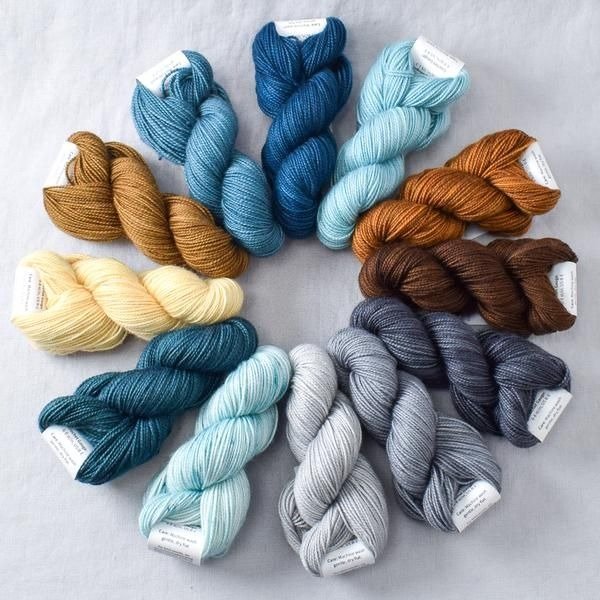
Top 5 Cashmere Yarn Manufacturers in China
Jingshang
- Company Overview and History
Jingshang Cashmere has over 32 years of industry experience. Since 1993, it has specialized in producing high-quality cashmere yarn, cashmere sweaters, coats, scarves, and accessories. Jingshang is one of China’s leading cashmere yarn manufacturers and cashmere yarn suppliers, providing stable, premium products to the global market. - Raw Materials and Supply Chain
Selects high-quality cashmere from the Inner Mongolia Plateau, ensuring fine fibers and soft texture. Strict control over raw materials guarantees consistent yarn quality. - Production Process
- Precise Dyeing: Adjusts temperature, dye amount, and time according to color depth, maintaining fiber softness while achieving vibrant, durable colors.
- Spinning Technology: Uses combed spinning, fine spinning, and compact spinning to ensure uniform yarn structure, minimal hairiness, and smooth weaving.
- Knitting and Finished Products: Combines automated equipment to ensure soft hand feel and durability of sweaters and scarves.
- Quality Control
Comprehensive testing includes fiber fineness, moisture and oil monitoring, color difference and fastness testing, and tensile and abrasion tests. Every batch comes with inspection records. - OEM/ODM Customization
Capable of developing new yarn colors, adjusting yarn counts, blending ratios, and product development for global brands. - Factory and Capacity
Features a 10,000 m² modern production area, 100 skilled employees, and 80 precision machines, ensuring both large-scale production and small-batch customization. - Core Competitiveness
With Inner Mongolia premium cashmere, 32 years of expertise, a complete factory system, and strong OEM/ODM capability, Jingshang maintains high quality and stability globally, offering professional solutions for both pure and blended cashmere yarns.
Erdos
- Company Overview and History: Established in 1980, Erdos Group is one of China’s most iconic cashmere brands, with over 40 years of experience in cashmere yarn and finished product production, exporting to Europe, the US, and Asia.
- Raw Materials and Supply Chain: Cashmere sourced from Inner Mongolia and Gansu, fiber fineness 14–16 microns, soft and warm, meeting international high-end standards.
- Core Production Technology: Uses automated combing, high-precision carding, ring spinning combined with air-jet spinning, and eco-friendly dyeing for vibrant, colorfast yarns.
- Quality Control and Customization: ISO9001 and Oeko-Tex certified, supports custom yarn counts, blend ratios, and colors for mid- to high-end brand requirements.
- Capacity and Market Positioning: Produces about 1,500 tons of high-end cashmere yarn annually, exported to Europe, Japan, and Southeast Asia, preferred by designers and brands.
Tianyu Cashmere
- Company Overview: Founded in 1995, Tianyu Cashmere focuses on technological innovation and high-end yarn production, serving mid- to high-end cashmere clothing brands.
- Raw Materials and Technical Features: High-quality Inner Mongolia cashmere, fiber fineness 14–16 microns, combined with combed and air-jet spinning, soft, smooth, low hairiness, and stable weaving.
- Innovation and R&D: Own R&D center supports color customization, yarn count adjustment, and special blend development. Digital spinning monitoring ensures yarn consistency.
- Quality and Certification: ISO9001 and Oeko-Tex certified, testing fiber fineness, color difference, tensile strength, and abrasion resistance, meeting international high-end standards.
- Capacity and Market Positioning: Annual output about 1,200 tons, popular in Europe, Japan, and Southeast Asia, suitable for high-end customized brands.
Consinee Group
- Company Overview: Founded in 1985, a large integrated textile group covering raw material sourcing, yarn production, dyeing, and weaving.
- Raw Materials and Technology: Uses Inner Mongolia cashmere and blended fibers. Employs combed, air-jet, and compact spinning for soft, uniform, low-hairiness yarns.
- Dyeing and Process Advantages: Eco-friendly dyeing equipment with computer color matching for high-precision color control; temperature and humidity control ensures stable product dimensions.
- Quality Control: Strict testing of fiber fineness, moisture, tensile strength, abrasion, and color fastness ensures consistency in large-scale production.
- Capacity and Market Positioning: Produces about 3,000 tons annually, exported to Europe and Southeast Asia, long-term partner for high-end brands, leading in blended yarns.
King Deer
- Company Overview: Founded in 1990, specializes in high-end cashmere yarn and customized production, including pure and blended yarns, sweaters, and scarves.
- Raw Materials and Technical Features: Inner Mongolia cashmere, fiber fineness 14–15.5 microns, ring spinning combined with air-jet spinning, soft, smooth, low hairiness.
- Production and Technology: High-precision yarn testing ensures strength, uniformity, and hairiness meet international standards. Knitting with automation ensures soft, comfortable, and durable finished products.
- Customization and Service: Supports small-batch trials, color customization, yarn count adjustments, and blending ratios, meeting designer and brand personalized needs.
- Capacity and Market Positioning: Annual output about 1,000 tons, exported to Europe, Japan, and Southeast Asia, renowned for soft hand feel and customization ability.
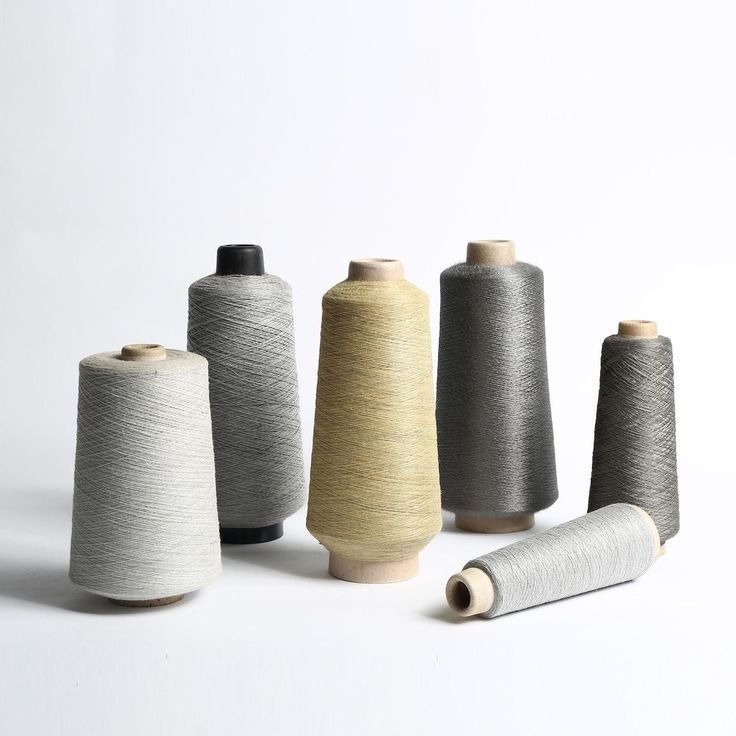
Core Technologies and Processes in Chinese Cashmere Yarn Manufacturing
High-quality cashmere yarn relies on precise processes:
- Combing Technology: Air-jet combers align fibers and remove impurities, improving strength and softness.
- Dehairing and Carding: Removes coarse fibers and short fibers, increasing sheen and smoothness.
- Spinning: Ring spinning for high-count yarn, air-jet spinning for short-fiber blends, reducing hairiness.
- Dyeing: Eco-friendly dyes and computer color matching ensure stable colors and minimal variation.
- Quality Testing: Fiber fineness, yarn strength, hairiness, and colorfastness tested to meet ISO9001 or Oeko-Tex standards.
Cashmere Yarn Purchasing Guide: Key Points and Industry Trends
When sourcing cashmere yarn, pay attention to:
- Fiber Fineness and Uniformity: 14–16 microns, soft touch, and good warmth.
- Yarn Strength and Hairiness: High strength, low hairiness for premium products.
- Certifications and Environmental Standards: Oeko-Tex, ISO9001 ensure safety and eco-friendliness.
- Supply Chain Transparency: Traceable raw materials and clear production processes reduce risk.
- Small-Batch and Customization: Supports custom yarn counts, colors, and blending ratios.
- Industry Trends: Eco-friendly dyeing, low-carbon production, digital spinning, and traceable raw materials are key growth areas.
| Inquiry Now | Email:info@hwcashmere.com | Whatsapp:+8613932982033 |
China, with abundant raw materials, mature supply chains, advanced technology, and flexible customization capabilities, is the core of the global cashmere industry. Choosing the right Chinese cashmere yarn manufacturers or cashmere yarn suppliers ensures yarn quality, meets design requirements, and maintains competitiveness in the global market. Understanding core processes, evaluating supplier qualifications, and staying updated on industry trends help brands and designers confidently source high-quality cashmere products.