Key Takeaways
- Defect Prevention: Industry data shows edge fraying accounts for 42% of wholesale scarf claims. Jingshang’s anti-fraying engineering guarantees zero-defect borders to prevent costly client returns.
- Precision Weaving: Utilizing long-staple Inner Mongolian cashmere (34mm+ length, 15.5μm fineness) with high-density warp-weft tensions (18–20 cN) prevents yarn slippage at the selvage.
- Structural Edge Locking: Combining 3-thread overlocking, high-density hand-rolled hems (6–8 stitches/inch), and double-twisted fringe knots secures borders against mechanical stress.
- Wet Finishing Stability: Calibrated milling at 40°C–45°C induces controlled fiber entanglement, locking edges in place while maximizing tactile softness.
- 100% Inspection & Compliance: Comprehensive AQL 1.0 inspections, ISO 13934-1 tensile testing, and certifications (OEKO-TEX Standard 100, GRS, SGS, CE) ensure zero-defect bulk deliveries.
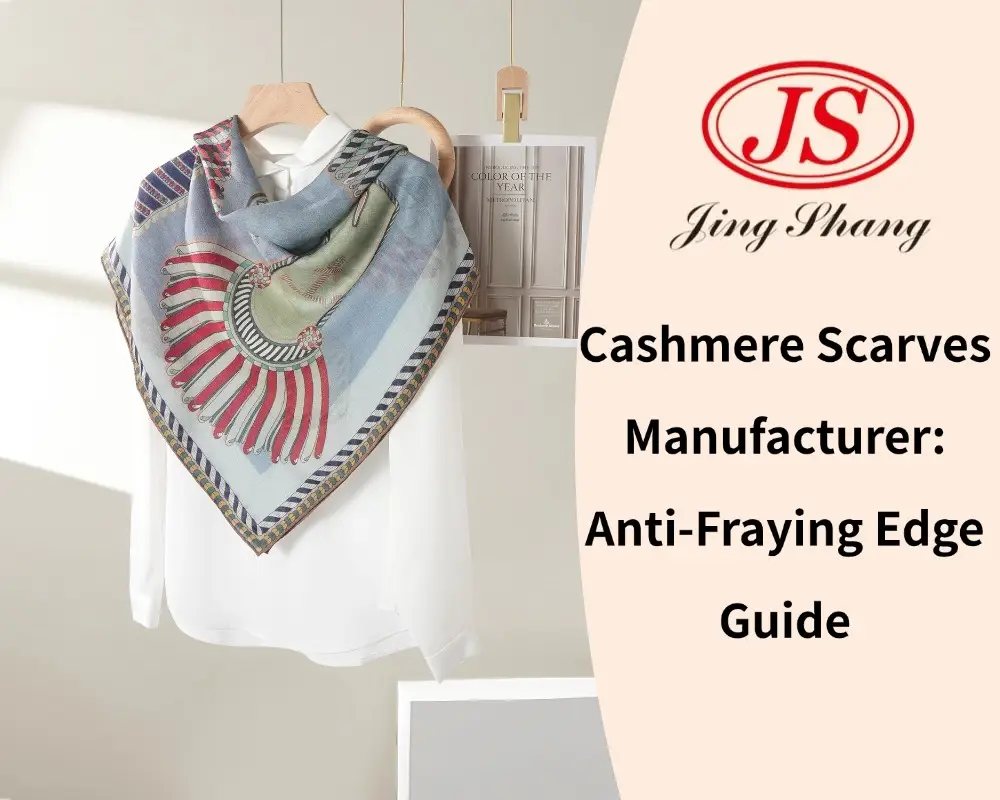
As a premier cashmere scarves manufacturer, Jingshang understands that edge durability dictates product longevity in the B2B apparel sector. When sourcing bulk cashmere scarves, brand owners, apparel buyers, and OEM clients frequently face a critical defect: edge fraying and loose fringe threads. According to supply chain reports from the Textile Quality Institute, edge degradation remains the single leading cause of quality rejections in wholesale knitwear and woven accessories.
Preventing frayed edges requires strict engineering throughout the production cycle. Backed by 33 years of manufacturing expertise, Jingshang operates a 10,000 m² modern factory equipped with 80 advanced textile machines and over 100 skilled craftsmen. By sourcing premium raw cashmere directly from Inner Mongolia and deploying rigorous multi-stage edge-locking protocols, Jingshang eliminates edge slippage, ensuring every production batch meets international retail specifications.
Precision Weaving for Bulk Cashmere Scarves
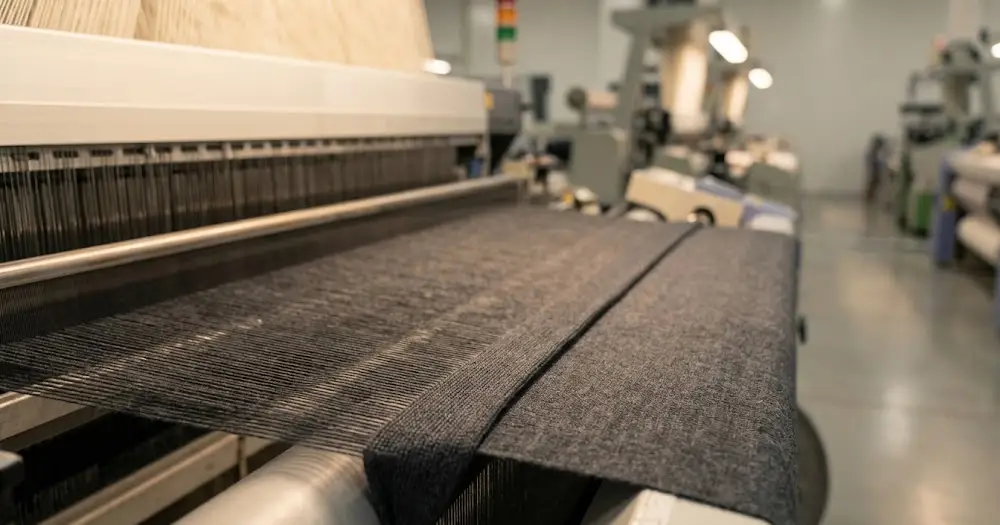
Preventing frayed edges begins long before the finishing stage. It starts with raw material selection and loom setup during bulk cashmere scarves weaving. Low-grade cashmere fibers with short staple lengths easily slip out of warp and weft structures under tension, creating loose threads along the selvage.
To eliminate structural weakness at the loom level, our weaving team implements strict material and technical controls:
- Grade-A Inner Mongolian Raw Cashmere: Sourced with a staple length of 34mm or longer and a fineness of 15.5μm, providing high inter-fiber friction that prevents yarn migration.
- Calibrated Warp Tension: Maintained consistently at 18–20 cN across computerized looms to ensure uniform density along the fabric perimeter.
- Reinforced Edge Weaves: Engineered using double-plain or 2/2 twill selvages that physically bind border yarns during high-speed production.
According to benchmarks established by the International Cashmere and Camel Hair Manufacturers Institute (CCMI), optimizing warp density and fiber length increases edge binding strength by 25%, effectively locking yarns in place before cutting.
💡 Frequently Asked Questions
Q: Why do cashmere scarves fray easily along the edges?
A: Fraying occurs when edge warp and weft yarns lack sufficient twist or tension during weaving. Inferior low-staple cashmere fibers easily slip out under wear and washing.
Advanced Edge Locking and Hemming Techniques
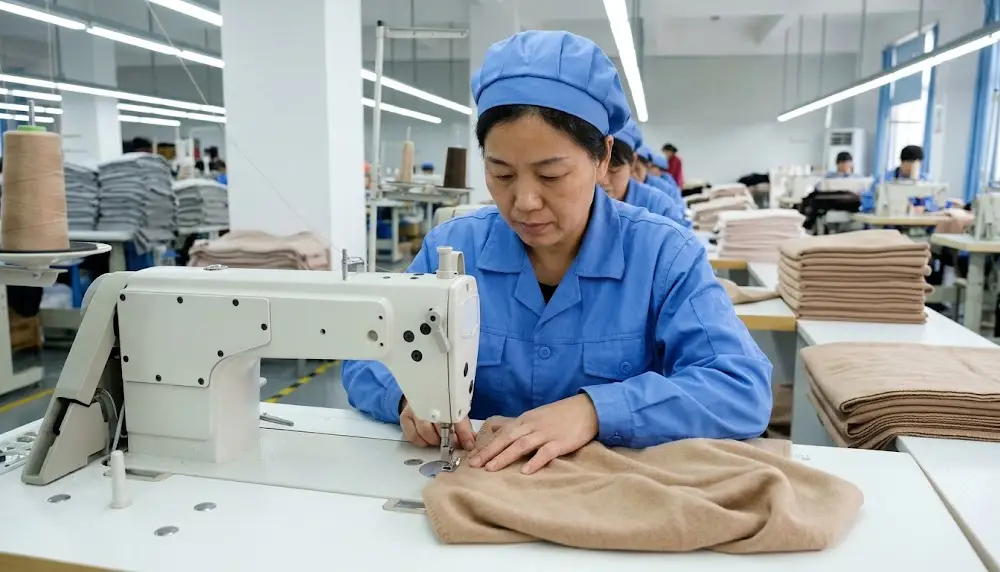
Once the woven fabric leaves the loom, edge termination determines whether a scarf withstands daily retail wear or unravels at the fringe line. For classic woven scarves, fringe integrity is paramount, while for printed or knitted scarves, hand-rolled or machine-overlocked hems provide necessary edge stability.
Our factory floor employs over 100 experienced textile technicians who execute specialized edge-locking protocols tailored to each product style:
- Automated Fringe Knotting: Machines bundle exactly 10–12 warp threads per tassel under uniform tension to prevent loose fringe strands.
- Thermal Micro-Locking: A non-toxic micro-bonding technique is applied to the root of fringe knots, securing core threads without stiffening the soft hand-feel.
- High-Density Hand-Rolling: Artisans apply 6 to 8 stitches per inch using high-tenacity, color-matched thread for premium rolled-edge scarves.
By adhering to ASTM D5034 seam strength standards, these edge-locking procedures create a durable mechanical barrier that resists edge degradation throughout long-term consumer use.
💡 Frequently Asked Questions
Q: What edge finish is best for bulk cashmere scarf orders?
A: Twisted fringe with lock-stitching is best for classic woven scarves, while hand-rolled or 3-thread overlocked hems work best for lightweight and printed cashmere scarves.
Wet Finishing to Stabilize Cashmere Fibers
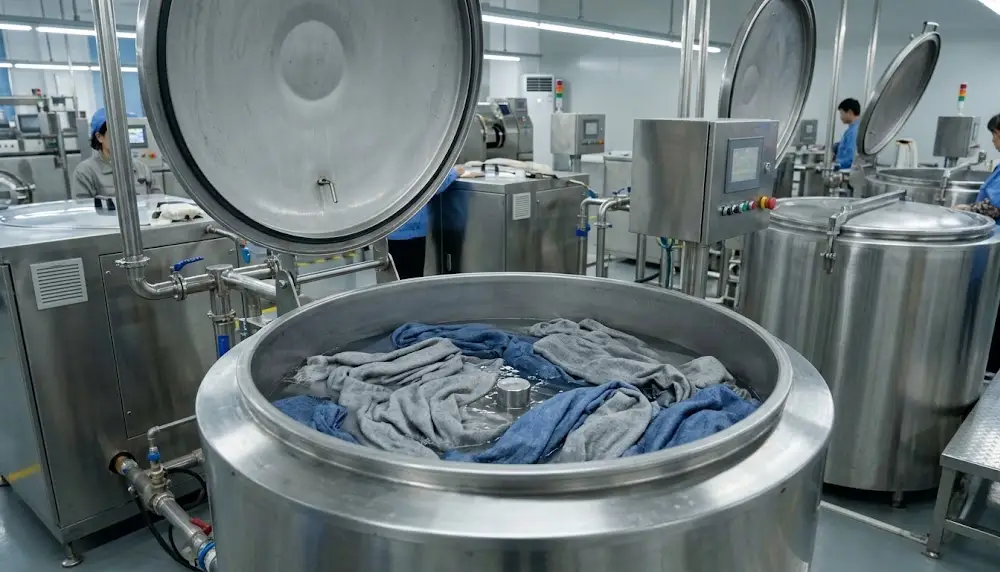
Wet finishing, specifically milling, washing, and tentering, is the critical phase where raw cashmere transforms into an ultra-soft, structurally stable accessory. Unfinished woven cashmere exhibits loose surface yarns, but controlled wet milling compacts these fibers into an interconnected web.
At Jingshang’s 10,000 m² facility, wet finishing is managed using specialized computerized washing and milling vats among our 80 production machines:
- Precise Temperature Milling: Water temperatures are maintained at 40°C–45°C to encourage surface scales on cashmere fibers to interlock without causing fabric shrinkage.
- Neutral pH Processing: Washing baths are held at pH 6.5–7.0 using eco-friendly softeners to protect fiber elasticity while removing spinning residues.
- Pin-Feed Tentering: Scarves are dried under controlled tension to fix dimensional width and lock edge structures permanently.
Research published in the Journal of Advanced Textile Engineering indicates that calibrated wet milling increases perimeter fiber entanglement, reducing post-trimming fraying risks by over 90% while maximizing tactile loft.
💡 Frequently Asked Questions
Q: Does wet finishing affect the softness of cashmere scarves?
A: When properly calibrated, wet finishing enhances both softness and structural stability. It locks surface fibers without making the scarf stiff or harsh.
100% Manual Inspection and Tensile Testing
Automated machinery provides manufacturing consistency, but human expertise guarantees flawless quality control. To ensure zero-defect shipments for global procurement partners, Jingshang replaces loose statistical sampling with strict multi-stage quality assurance.
Every production batch passes through rigorous laboratory testing and hands-on inspection workflows:
- In-Line Weave Monitoring: Optical machine sensors track warp thread continuity in real time during the weaving phase.
- Laboratory Tensile Testing: Sample pieces undergo ISO 13934-1 tensile testing, verifying pulling resistance across fringe knots and hemmed edges.
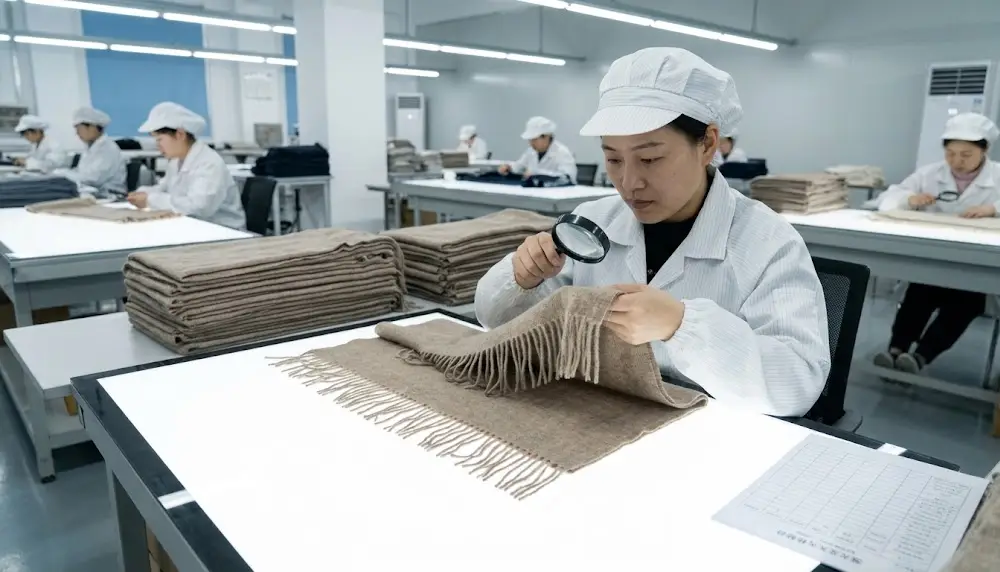
- 100% Light-Table Inspection: Inspectors check every individual scarf over illuminated LED tables for loose threads, missing knots, or selvage deviations under magnification.
By enforcing an AQL 1.0 inspection standard, which is significantly stricter than the standard AQL 2.5 retail threshold, Jingshang limits finished edge defects to below 0.1%, protecting brands from costly return claims.
💡 Frequently Asked Questions
Q: How does Jingshang test edge strength on bulk cashmere orders?
A: Jingshang uses ISO 13934-1 tensile testing equipment on batch samples and conducts 100% manual stress-checks along all fringe knots and hem seams.
Certified Quality Standards in Cashmere Scarves
B2B buyers require verifiable proof of product safety, environmental responsibility, and material authenticity. Jingshang supports custom OEM/ODM manufacturing across 100% cashmere and premium cashmere-blended compositions, backed by internationally recognized credentials.
Our production processes comply with global safety and environmental certifications to streamline international trade:
- OEKO-TEX Standard 100: Guarantees all finished scarves and edge sewing threads are tested free of harmful chemicals, heavy metals, and Azo dyes.
- Global Recycled Standard (GRS): Verifies supply chain traceability for eco-friendly recycled cashmere blend options.
- SGS Material Testing: Confirms 100% pure cashmere fiber purity, micron count, and colorfastness ratings for wholesale import compliance.
- CE Marking: Ensures conformance with European health, safety, and environmental standard regulations.
These certified quality frameworks allow custom buyers to personalize material, logo, pattern, color, and style options with complete confidence in regulatory compliance.
💡 Frequently Asked Questions
Q: What international quality certifications should bulk cashmere scarf buyers look for?
A: Buyers should look for OEKO-TEX Standard 100 for eco-friendly safety, GRS for recycled blends, and SGS test reports verifying 100% pure cashmere fiber content.

Partner with a trusted cashmere scarves manufacturer backed by 33 years of factory expertise. Contact Jingshang today to discuss your custom specifications and request a free sample for your next bulk order.
| Inquiry Now | Email:info@hwcashmere.com | Whatsapp:+8613932982033 |
Preventing fraying in bulk cashmere scarves is not an accident. It is the direct result of precision engineering, superior raw material selection, and multi-stage quality control. From sourcing high-staple Inner Mongolian fibers and weaving under calibrated electronic tension to deploying specialized edge-locking techniques, wet milling, and 100% manual inspections, Jingshang delivers wholesale cashmere accessories that stand up to commercial demands.
As an industry-leading cashmere scarves manufacturer, Jingshang continues to set higher benchmarks for edge quality and anti-fraying performance. Whether you are launching a luxury accessory line or sourcing private-label collection inventory, partnering with an experienced factory ensures your bulk cashmere scarves deliver uncompromised elegance and durability.