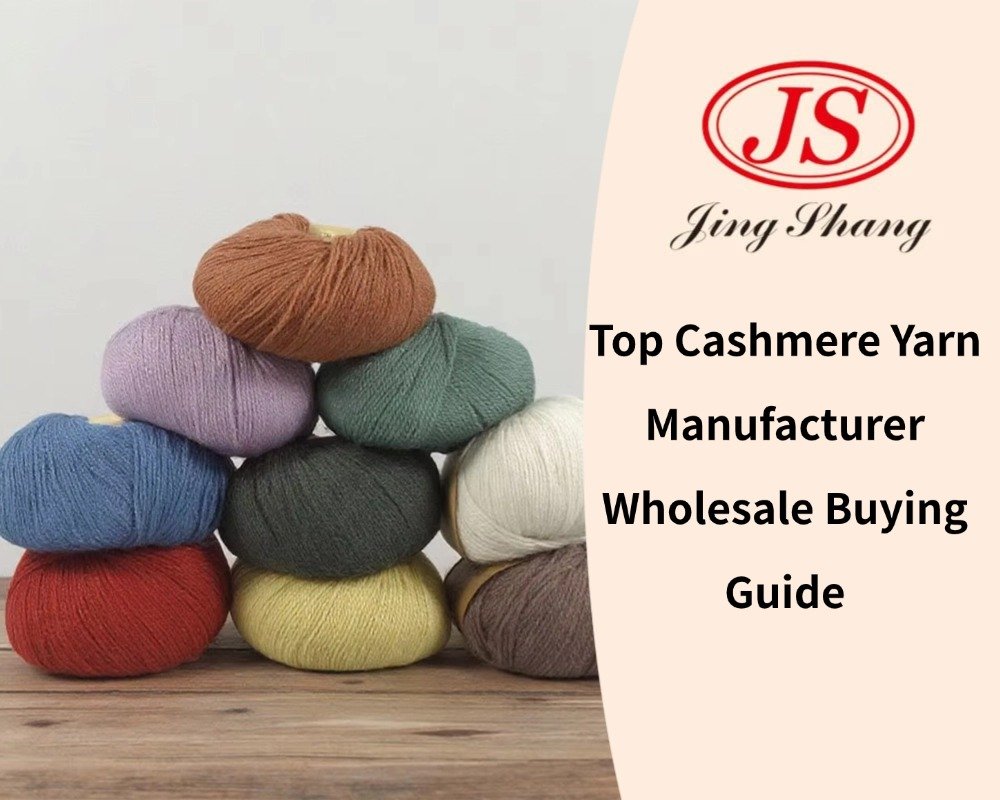
In the high-end textile and apparel customization industry, the choice of raw materials directly dictates the destiny of the finished product. For global sourcing buyers and custom clothing manufacturers, finding a cashmere yarn manufacturer with mature craftsmanship and consistent quality is the core of building a brand moat. As the global “Quiet Luxury” trend continues to sweep the market in 2026, premium consumers’ pursuit of traceability and exceptional tactile texture has reached new heights.
To stand out in the fiercely competitive online and offline textile markets, buyers must not only know how to distinguish fiber grades but also look deeper into the source factory behind the supply chain. This guide will unpack the underlying logic of bulk wholesale cashmere yarn procurement and demonstrate how Jingshang serves as a rock-solid backbone for global buyers with its 33-year manufacturing heritage.
Key Takeaways
- Precious Origins: Sourced from goats in Inner Mongolia (70%+ global share); ultra-fine (14–19 microns), with a rare annual yield of 150–250g per goat.
- Yarn Consumption: Measured by the skein/cone, estimated sweater needs are 250–350g (S), 350–450g (M), and 450–600g (L).
- Premium Performance: 30% lighter yet 1.5x warmer than wool; delivers cloud-like softness, anti-static comfort, moisture breathability, and anti-pilling benefits.
- Six-Stage Process: Crafted via carding, grading, scouring, dyeing, spinning, and coning to guarantee ultimate color consistency across bulk lots.
- 33-Year Factory: Sourced via Jingshang (10,000㎡ plant, 80 machine sets), supplies pure cashmere, silk, and wool blends with CE, SGS, Oeko-Tex, and GRS metrics.
- Flexible Low MOQ: Features an ultra-low MOQ of 100kg per batch with multi-color options to eliminate brand inventory risks.
In-Depth Science: Understanding What Premium Cashmere Yarn Is
For global buyers, clarifying the foundational attributes of wholesale cashmere yarn is the first step to mitigating risks. As a symbol of global high-end textiles, cashmere yarn’s uniqueness is reflected in the following core dimensions:
- Definition and Origin: Cashmere yarn is a premium natural yarn spun from the fine undercoat fibers found beneath the belly and chest of cashmere goats. It is renowned for its ultimate softness, lightweight nature, and warmth. Compared to regular wool yarn, cashmere yarn is much finer, with a fiber diameter typically ranging between 14-19 microns.
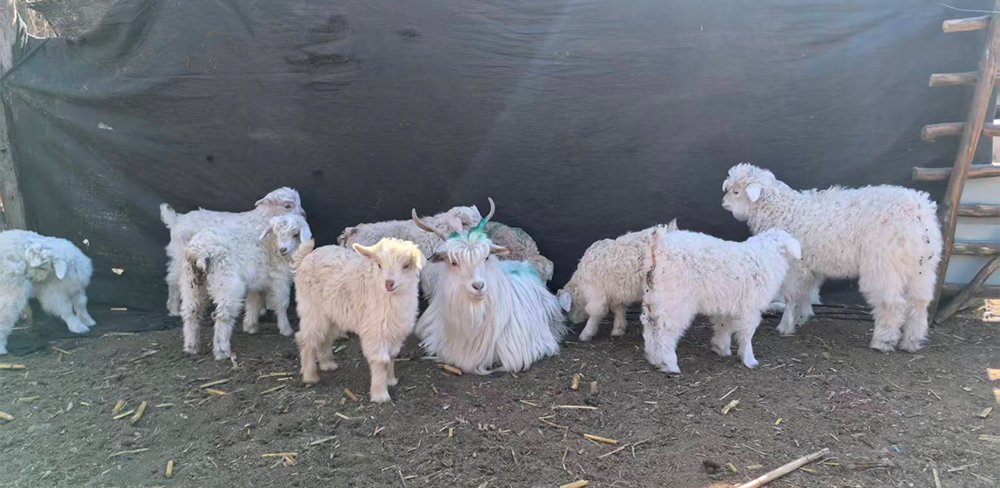
- Origin Distribution and Market Share: Premium cashmere is primarily produced by goats living in cold alpine regions, particularly Inner Mongolia (China), Mongolia, Iran, Afghanistan, and Nepal. Among these, Inner Mongolia, China, with its superior goat breeds and mature processing technologies, has long dominated the global market, accounting for over 70% of global exports.
- The Rarity of Raw Materials: The freezing climate prompts the goats to grow a dense yet fine undercoat during winter to withstand the bitter cold. Since each goat can only yield an average of 150-250 grams of usable cashmere annually, this natural production constraint makes it exceptionally precious.
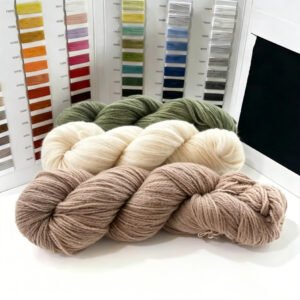
- Bulk Measurement and Specifications: In industrial bulk procurement, cashmere yarn weight is typically calculated by the skein or by the cone. Common marketplace specifications include: Lace (25–50g / 400–800m), Fingering (50g / 350–450m), DK/Light Worsted (100g / 200–300m), and Bulky (100g / 100–150m).
💡 Q&A on Core Knowledge
Q: What is cashmere yarn made of, and where does it originate?
A: Cashmere yarn is derived from the belly and chest undercoat of cashmere goats living in cold, high-altitude regions like Inner Mongolia, China and the Mongolian Plateau. These fibers naturally shed in spring and are collected through manual combing. Pure cashmere yarn contains no other animal hair, though blended versions featuring merino wool or silk are available on the market to enhance durability and elasticity.
Practical Application: Diverse Scenarios and Yarn Consumption Estimates
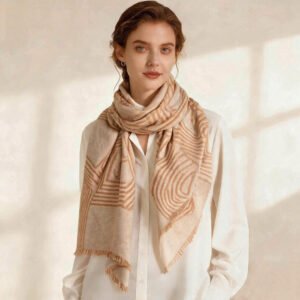
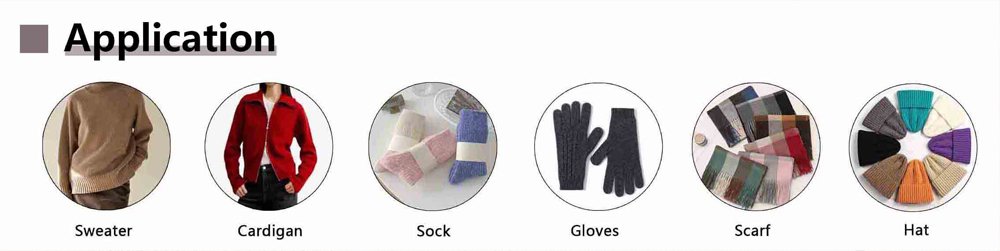
As a professional cashmere yarn manufacturer, Jingshang not only provides premium raw materials but also conducts deep research into their end applications. Cashmere yarn is widely used in high-end textiles and stands as the premier choice for autumn/winter garments and undergarments. Its primary uses include luxury sweaters, shawls and scarves, hats and gloves, baby clothing, and high-end knit home textiles (such as blankets and throws).
In actual bulk production, custom manufacturers care deeply about material consumption and waste metrics per garment. According to standard industrial designs, the amount of cashmere yarn required to knit a single sweater depends entirely on the size and complexity of the pattern:
- Small (S) Size: Requires approximately 250 – 350 grams of cashmere yarn;
- Medium (M) Size: Requires approximately 350 – 450 grams of cashmere yarn;
- Large (L) Size: Requires approximately 450 – 600 grams of cashmere yarn.Complex patterns or long-style sweaters require more material. Jingshang advises buyers to factor in an extra allowance for potential mending prior to placing bulk orders to perfectly calculate procurement costs.
💡 Q&A on Core Knowledge
Q: How can a knitwear brand estimate yarn procurement needs when planning a cashmere sweater product line?
A: Bulk procurement must be calculated based on the size chart. A standard small (S) size requires 250–350g, a medium (M) size requires 350–450g, and a large (L) size requires 450–600g. Different projects require different yarn weights; lighter yarns are better suited for scarves and shawls, while heavier yarns are perfect for outerwear and sweaters.
Core Highlights: Unique Performance and Functional Differences of Cashmere Yarn
In the premium bulk market, defining the differences between wholesale cashmere yarn and other yarn types is the key to building brand equity. Compared to other materials, cashmere yarn possesses unparalleled physical and chemical advantages.
- Five Core Highlights:
- Ultimate Softness: The fiber fineness is less than one-third of a human hair, offering a cloud-like tactile texture with virtually zero skin irritation or prickliness.
- Lightweight Warmth: Its overall weight is 30% lighter than traditional wool, yet its static thermal insulation performance is 1.5 times higher than regular wool.
- High Skin Affinity: The natural fiber structure causes no irritation to human skin, making it highly suitable for sensitive skin types or infant apparel.
- Exceptional Physical Functions:
- Highly Efficient Thermal Insulation: The unique hollow structure of the fibers effectively blocks cold wind and securely traps body heat.
- Moisture Absorption and Breathability: It features outstanding thermoregulation capabilities, rapidly absorbing and releasing moisture to keep the wearer dry and comfortable.
- Lightweight and Pressure-Resistant: The fabric texture is light yet possesses an excellent elastic recovery rate, ensuring garments do not easily deform even after prolonged folding.
- Balanced Anti-Pilling: High-grade cashmere treated through precise, mature industrial processes exhibits excellent anti-pilling performance.
- Natural Antibacterial Properties: Its unique physical barrier makes it resistant to bacterial growth, thereby effectively preventing the generation of unpleasant odors.
Distinctions Between Cashmere Yarn and Other Yarn Types
| Yarn Type | Softness | Warmth | Durability | Best Use Cases |
| Cashmere (Jingshang) | ★★★★★ | ★★★★★ | ★★★ | High-end sweaters, scarves, luxury custom knitwear |
| Merino Wool | ★★★★ | ★★★★ | ★★★★ | Everyday knitwear, performance base layers |
| Cotton | ★★★ | ★★ | ★★★★ | Summer garments, lightweight spring/autumn apparel |
| Acrylic (Synthetic) | ★★ | ★★ | ★★★ | Budget crafts, lower-end fast fashion garments |
| Alpaca | ★★★★ | ★★★★★ | ★★★★ | Winter accessories, heavy heavyweight coats |
Process Demystification: The Refined Manufacturing Journey from Raw Fiber to Premium Yarn
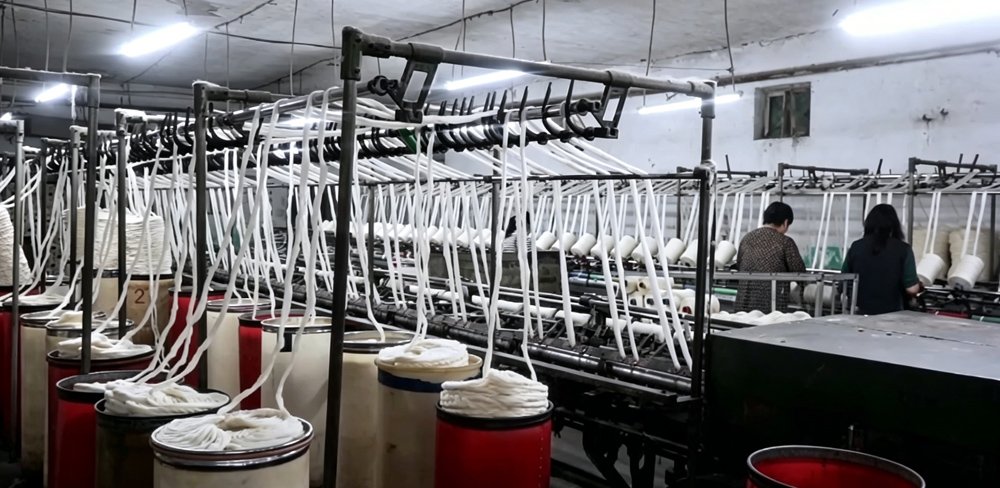
The birth of a top-tier strand of wholesale cashmere yarn requires passing through rigorous and complex modern industrial full-chain processing. Within Jingshang’s 10,000-square-meter factory production area, raw fiber must flawlessly complete the following six core manufacturing stages:
- Carding (Separation): First, the goat’s undercoat wool is separated, extracting the precious, fine fleece from the belly and chest areas.
- Grading and Sorting: Through mechanical sorting and manual double-checking, only pure, fine, and length-compliant Grade A quality fleece is selected.
- Washing and Scouring: Specialized eco-friendly equipment is utilized to remove excess oils, grease, perspiration stains, and dirt impurities from the fleece.
- Damage-Free Dyeing (Optional): Based on the color specifications of global buyers, digitally controlled, constant-temperature loose-fiber dyeing is conducted to ensure vibrant colors without damaging the fibers.
- Spinning and Shaping: According to different yarn counts and structural requirements, advanced ring-spinning or open-end spinning technologies are deployed to turn the fibers into yarn.
- Coning and Packaging: Upon completion of the processing, rigorous finished product quality inspections are performed, followed by standard industrial packaging and preparation for sale.
💡 Q&A on Core Knowledge
Q: What is the industrial production workflow of cashmere yarn?
A: The core process consists of: Carding/Separation→rightarrow→ Grading and Sorting →rightarrow→Washing and Scouring→rightarrow→ Dyeing →rightarrow→ Ring/Open-end Spinning →rightarrow → Coning and Packaging. Leveraging 33 years of heritage processing, Jingshang ensures that every step aligns with international fine textile standards.
Recommended Channel: How to Source Authentic Cashmere Yarn Globally
For global procurement buyers and custom manufacturers, seeking a direct partnership with a source cashmere yarn manufacturer is the optimal path to eliminating middleman premiums. If you are looking for a compliant, transparent, and top-quality source, Jingshang presents the following core advantages:
- Long Manufacturing History and Position: Deeply rooted in the industry as a cashmere manufacturer with a 33-year history, Jingshang stands as a leading manufacturer of cashmere knitwear. We consistently use premium cashmere from Inner Mongolia, China, as our core raw material.
- Robust Factory Scale and Hardware: We have established a modern industrial cluster covering a 10,000-square-meter factory production area in China, backed by over 100 employees and 80 sets of equipment (including internationally advanced spinning and quality testing machines), ensuring a bulk supply chain with no dye-lot color deviations and zero delivery delays.
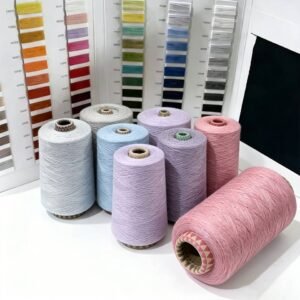
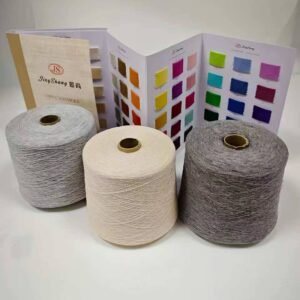
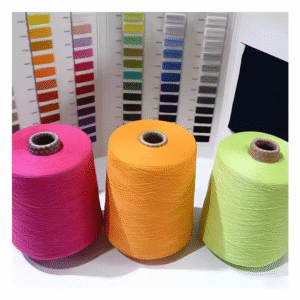
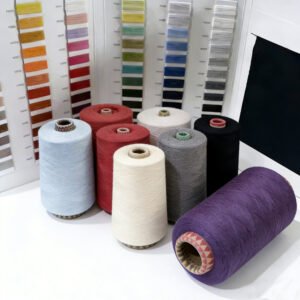
- Comprehensive Core Product Matrix: The factory consistently supplies a major lineup of cashmere yarn products catering to multi-scenario development, including:
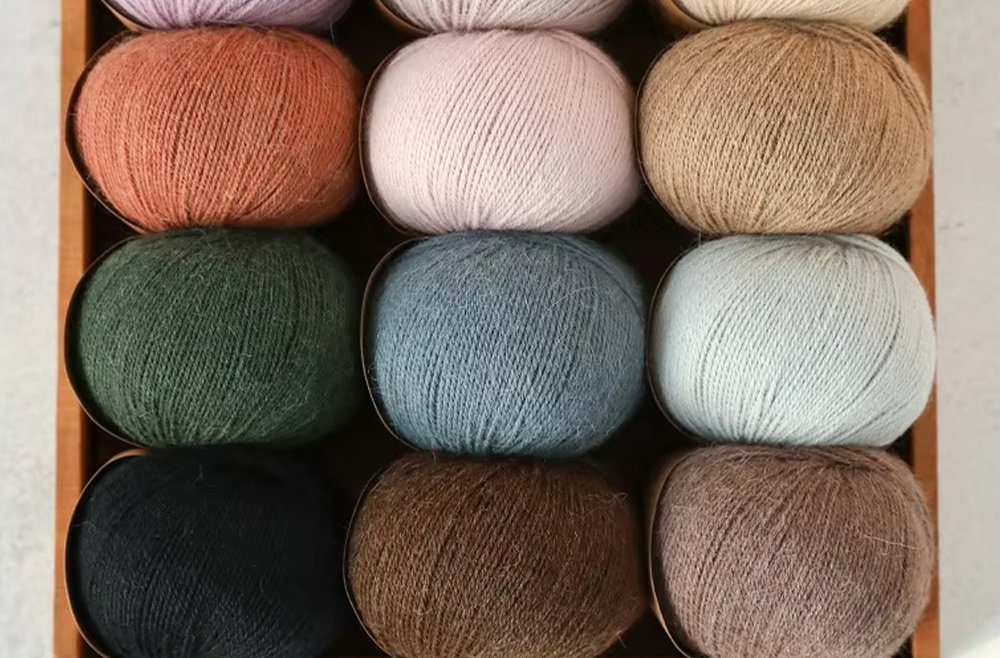
- 100% Pure Cashmere Yarn: Divided into woolen and worsted variants, perfectly preserving the naturally rich, full-lofted finish of the raw material, serving as the core of luxury knitwear collections.
- Silk-Cashmere Blended Yarn: Scientifically intertwining pure Inner Mongolian cashmere with natural mulberry silk, this blend delivers both delicate warmth and a luxurious sheen while elevating the garment’s tensile strength.
- Wool-Cashmere Blended Yarn: Featuring a golden ratio blend of top-tier merino wool and cashmere, this product drastically enhances fabric durability and elasticity, offering superb cost-efficiency.
- Rigorous International Quality Certification System: Cashmere yarn manufactured by Jingshang is fully certified across four authoritative international standards: CE, SGS, Oeko-Tex Standard 100, and GRS (Global Recycled Standard), providing flawless credibility and peace of mind against customs inspections or consumer quality checks.
- Highly Flexible Customization Services: We support deep customization across various fiber compositions, colors, and yarn counts. To alleviate inventory and cash flow strains for small-to-medium apparel customization firms, Jingshang provides a highly elastic wholesale policy: a minimum order quantity of 100 kg per batch with multi-color options available.
| Inquiry Now | Email:info@hwcashmere.com | Whatsapp:+8613932982033 |
In today’s global apparel market shifting toward high quality and personalized customization, selecting a partner that possesses a complete industrial cluster, stringent quality control, and flexible minimum order quantities will allow your brand to establish a long-term competitive edge.
Leveraging 33 years of manufacturing expertise, Jingshang not only delivers premium cashmere yarn certified by CE, SGS, Oeko-Tex, and GRS but also provides comprehensive flexible customization covering colors, yarn counts, and blend ratios. Our minimum order quantity allows for multiple color options within a 100 kg batch, maximizing the balance between your capital turnover and color variety.
If you are looking for a strategic partner in wholesale cashmere yarn capable of supplying stable bulk shipments with transparent engineering and the capability to manufacture for international luxury brands, Jingshang stands ready to serve you. Feel free to contact our overseas bulk project managers at any time to receive our technical whitepapers.
Contact us today to claim your free samples and the latest seasonal color-card quotes.