Table of contents
- How to Evaluate a Reliable Cashmere Sweater Manufacturer
- Introduction to the World’s Top Five Cashmere Sweater Manufacturers
- How to Choose a Cashmere Sweater Supplier That Fits Your Needs
- Technology, Sustainability, and Quality Standards Behind High-End Cashmere
- Practical Skills and Common Misconceptions in Cashmere Sweater Procurement
How to Evaluate a Reliable Cashmere Sweater Manufacturer
- Company Experience and Industry Reputation: Manufacturers with a long history usually have mature supply chains and stable production processes. Referring to authoritative international reports, such as IWTO (International Wool Textile Organization) or Textile Exchange, can help understand a company’s global ranking and export records in the cashmere market. Manufacturers that have long-term experience providing OEM/ODM services for well-known brands are generally more reliable in terms of quality, delivery, and service.
- Product Quality and Craftsmanship: High-end cashmere is typically 14–16 microns in diameter; the finer the fiber, the softer and more comfortable the finished product. Evaluation should focus on knitting density, garment weight, and shrinkage rates to ensure stable performance during wear and care. Quality manufacturers provide professional test reports, such as anti-pilling tests, colorfastness tests, and shrinkage tests, ensuring the products from cashmere sweater manufacturers are traceable and consistent.
- Factory Facilities and Technical Capability: Automation and digital equipment guarantee efficient production, including whole-piece knitting machines, seamless garment equipment, and intelligent sewing systems. Manufacturers with in-house R&D centers and laboratories can perform yarn blending, color optimization, and quality monitoring, significantly reducing production risks and improving customization efficiency.
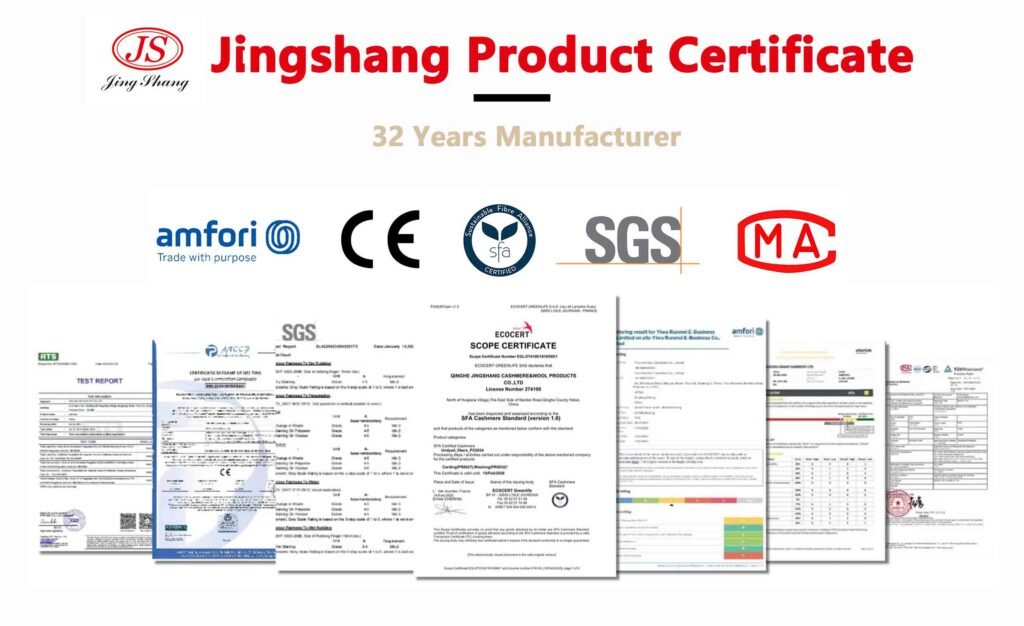
- Certifications and Sustainability: International certifications like ISO9001, BSCI, OEKO-TEX demonstrate a company’s capabilities in quality management, social responsibility, and production standards. Sustainability certifications (e.g., GCS, RWS) indicate the company’s commitment to environmental protection and social responsibility, which not only ensures product quality but also enhances brand image.
- Service and Communication EfficiencyEfficient communication is key to successful procurement. Reliable manufacturers support small-batch samples, quick sample production, and clear production schedule management. Using standardized communication tools and technical documents (Tech Pack, yarn specification sheets) reduces errors caused by language or standard differences, improving collaboration efficiency.
Introduction to the World’s Top Five Cashmere Sweater Manufacturers
Jingshang (China)
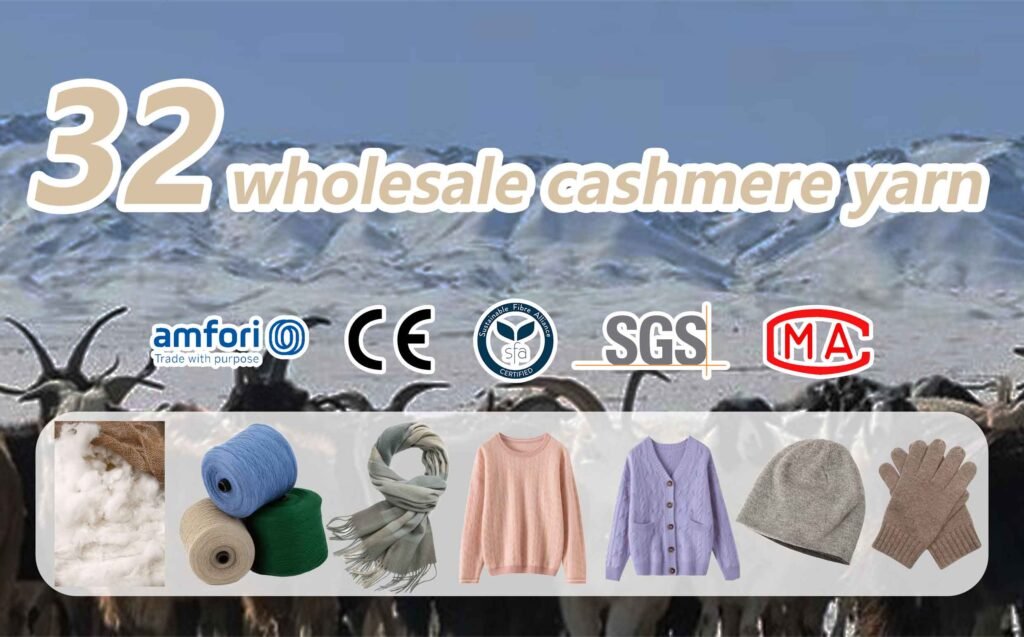
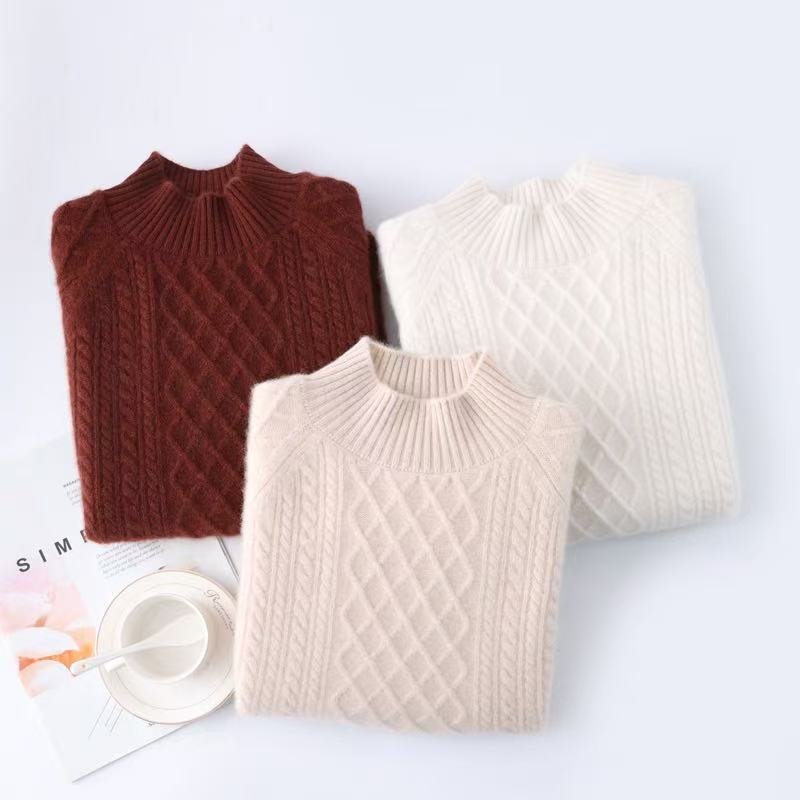
- Years of Experience: Over 32 years of experience, focusing on high-quality cashmere sweaters, scarves, and accessories since 1993.
- Factory and Team: Modern factory spanning over 10,000 square meters, with 100 skilled employees and 80 advanced machines, ensuring efficient and stable production.
- Raw Materials and Craftsmanship: Uses premium cashmere from the Inner Mongolia Plateau. Precision dyeing and advanced spinning techniques ensure yarn is soft, evenly structured, and smoothly knitted, with vibrant colors that resist fading.
- Quality Control: Each batch of yarn undergoes strict testing, including fiber diameter, moisture content, color difference, and tensile/abrasion tests, ensuring consistent and stable product quality.
- Customization and Services: Offers OEM, ODM, and wholesale services, supporting new yarn color development, blending ratio adjustments, and specific count customization, meeting global clients’ personalized needs.
- Market Recognition: With excellent quality, stable supply, and strong customization capabilities, Jingshang has become a trusted cashmere sweater supplier and one of the most reputable cashmere sweater manufacturers globally.
Loro Piana (Italy)
- Famous for top luxury cashmere products, rooted in high-end Italian knitting tradition
- Extremely fine fibers, globally recognized for softness and warmth
- Highly integrated supply chain, controlling every stage from raw material to garment
- Positioned as a high-end brand, often providing custom services for international luxury brands
Mongolia Cashmere Cooperative (Mongolia)
- Advantageous raw material base with rich pastures and fine fibers
- Primarily exports high-quality raw materials and garments, emphasizing sustainability
- Suitable for large orders and long-term cooperation, ideal for global brand procurement
N.Peal (UK)
- Classic British cashmere brand combining craftsmanship with modern technology
- Focuses on comfort and durability, elegant design style
- Flexible supply chain, supporting mid-to-high-end market customization
Brunello Cucinelli (Italy)
- Luxury brand manufacturer combining design and high-end craftsmanship
- Full-process quality control from yarn selection to finished dyeing
- Renowned for garment quality and brand image, especially suitable for high-end retail and collaborative projects
These five manufacturers represent different market positioning, production technology, and supply chain strengths in the global cashmere sweater industry.
How to Choose a Cashmere Sweater Supplier That Fits Your Needs
- Clarify Your Requirements: Before choosing a supplier, clearly define brand positioning and product requirements. Luxury, premium casual, or mass-market brands have different expectations for fiber grade, knitting density, and garment design. Also, consider procurement cycles—small-batch sampling or long-term bulk orders—which directly affect supplier selection.
- Evaluate Supplier Capabilities: Production capacity, equipment type, and technical level are key evaluation criteria. Automated knitting, seamless garment production, and advanced dyeing processes ensure product consistency and stable delivery. Historical client reviews, quality inspection reports, and certifications further help assess supplier reliability.
- Sample Evaluation: The sampling stage is critical. Focus on fiber diameter, weight, shrinkage, and knitting density. Test garment comfort, anti-pilling performance, and colorfastness. Communicating revisions with the supplier ensures bulk production consistency, reducing risk.
- Price and Cost-Effectiveness Analysis: Cashmere sweater pricing depends on fiber fineness, weight, dyeing processes, and customization complexity. Prioritizing low cost may compromise quality. Evaluate suppliers based on a balance of quality, service, and delivery reliability. Long-term partners often offer better stability and lower defect rates.
- Establish Long-Term Partnerships: Long-term cooperation benefits brand development. By signing clear contracts, standardizing delivery schedules and quality standards, and maintaining transparent communication channels (e.g., Tech Pack or yarn specification sheets), procurement efficiency improves. Participating in new product development strengthens supply chain collaboration and continuous optimization.
Technology, Sustainability, and Quality Standards Behind High-End Cashmere
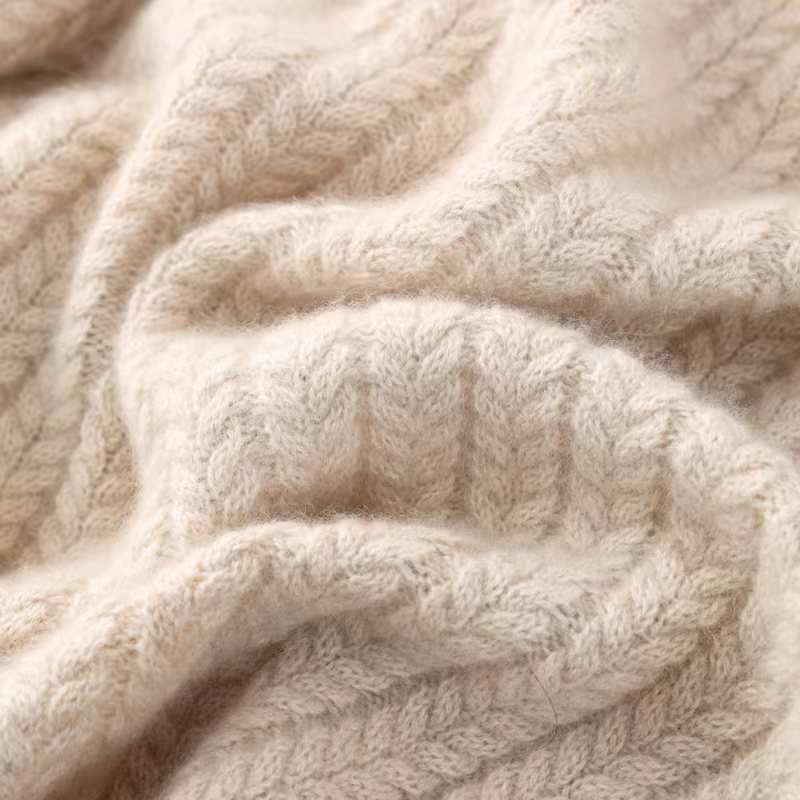
- Cashmere Fiber Characteristics: Fine diameter, soft, and highly insulating, typically 14–16 μm. Long fibers with uniformity enhance durability and anti-pilling performance.
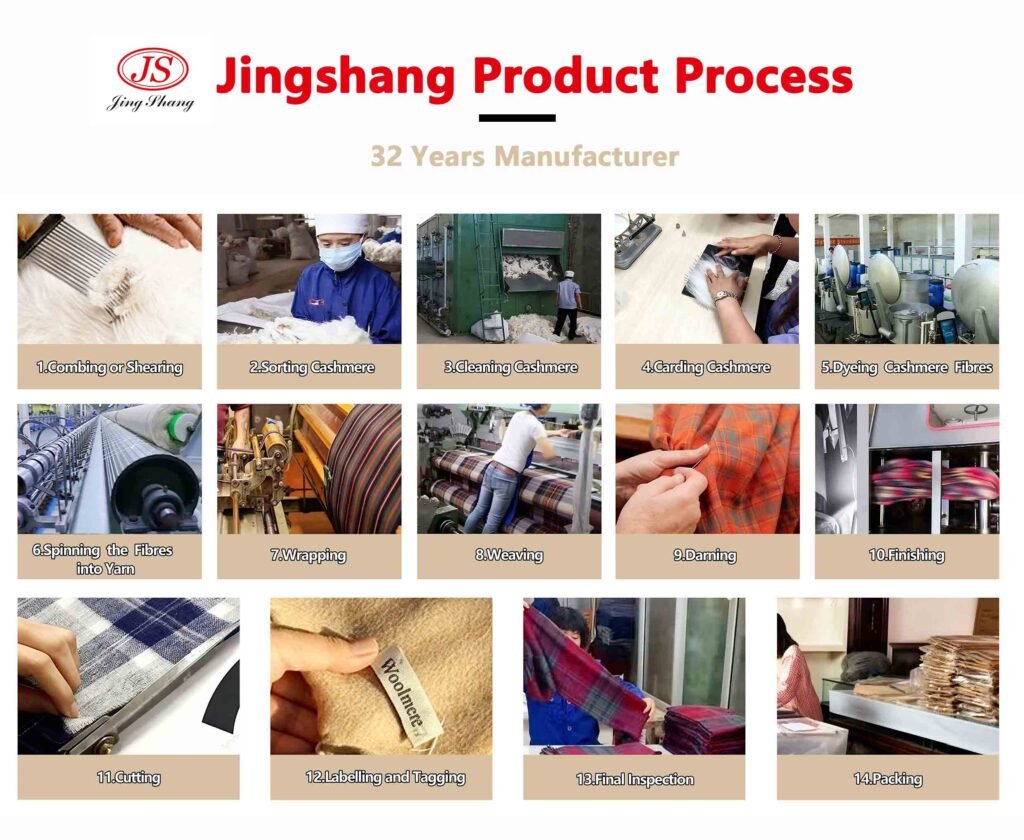
- Modern Manufacturing Processes: Automated knitting machines and seamless whole-garment technology improve production efficiency. Precise dyeing ensures consistent colorfastness while maintaining comfort and durability.
- Sustainability: Sustainable pastoral management complies with RWS, GCS standards. Low liquor ratio dyeing and chromium-free eco-friendly finishing reduce environmental impact. Some suppliers adopt recycling and waste management practices to minimize resource waste.
- Quality Inspection Process: From raw material fiber diameter and impurity testing, to semi-finished garment weight, stitch density, and yarn tension, to finished garment shrinkage, colorfastness, and anti-pilling tests, every step is strictly monitored to ensure traceability and consistency.
Practical Skills and Common Misconceptions in Cashmere Sweater Procurement
Practical Skills:
- Use professional tools: fiber microscopes for diameter, gram scales for weight, shrinkage testing equipment for wash stability.
- Technical documents to support communication: Tech Pack, knitting density sheets, yarn specification sheets reduce errors.
- Assess supplier technical capability: whole-piece knitting machines, seamless knitting, and dyeing processes improve product consistency.
- Establish clear QC standards: including garment weight, fiber diameter, shrinkage, colorfastness, and anti-pilling indicators.
Common Misconceptions:
- “Higher weight is always better”: Not necessarily; high weight with coarse fibers reduces comfort.
- “Finer fibers are more expensive”: Fiber fineness is just one quality metric; length and uniformity matter too.
- “Large factories are always more reliable”: Small factories can be more flexible and efficient for customization.
- “Samples and bulk orders are identical”: Minor differences are normal; batch management reduces risk.
By mastering these skills and recognizing misconceptions, procurement teams can work more efficiently with cashmere sweater supplier or cashmere sweater manufacturers, improving efficiency and reducing risks.
| Inquiry Now | Email:info@hwcashmere.com | Whatsapp:+8613932982033 |
The global cashmere sweater manufacturing market offers both opportunities and challenges. Understanding top suppliers’ technical capabilities, production capacity, quality standards, and sustainability practices is key to maintaining a competitive advantage.
From China’s Jingshang to Italy’s Loro Piana, and Mongolia and the UK’s high-quality manufacturers, each demonstrates unique strengths and international competitiveness. Combining scientific supplier evaluation, practical procurement skills, and professional tools allows brands to efficiently procure cashmere sweaters while ensuring product quality and market reputation.
Choosing the right cashmere sweater supplier is more than procurement—it is part of a brand strategy. With expertise, practical skills, and scientific management, brands can thrive in the global cashmere market and gain long-term competitive advantage.